Research area
AI-guided Genetic Circuit Design/Construction
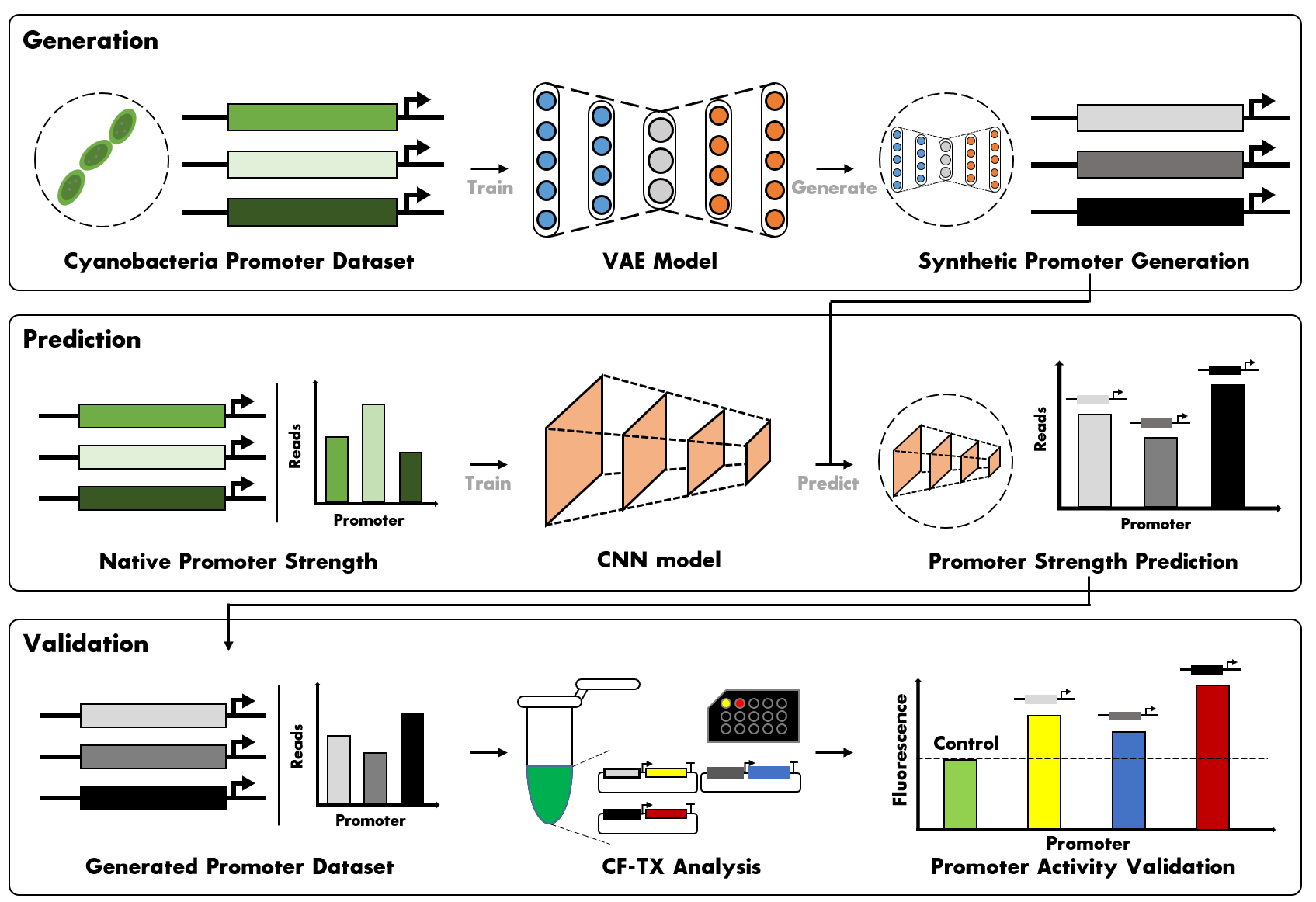
Our lab leverages artificial intelligence (AI) to design biological systems with greater precision and efficiency. While traditional synthetic biology has relied heavily on experiment-driven approaches to construct and optimize genetic circuits, we employ deep learning algorithms to learn the regulatory principles of gene expression and use this knowledge to generate and predict the function of novel biological parts.
For example, we develop AI models that can generate entirely new promoter sequences for specific organisms or quantitatively predict their transcriptional strength. In particular, generative models trained on biological datasets enable us to design functional sequences that would be difficult to discover through conventional mutagenesis. These sequences can be evaluated in silico using CNN-based predictive models and rapidly validated in vitro using cell-free transcription assays.
We are also conducting research on minimizing the number of genetic parts within gene circuits to improve strain viability and enhance the predictability of circuit behavior. By streamlining genetic circuits, more complex signals can be encoded using shorter DNA sequences.
Our research goes beyond sequence generation—we aim to understand how AI can interpret and reengineer biological systems. Looking ahead, we plan to expand this work to include intelligent genetic circuits operating inside cells, autonomous responsive systems, and custom-designed metabolic pathways.
Ultimately, our goal is not simply automation, but the integration of AI and biotechnology to uncover new principles of biological design and translate them into practical, applicable technologies.
Genetic Code Reprogramming
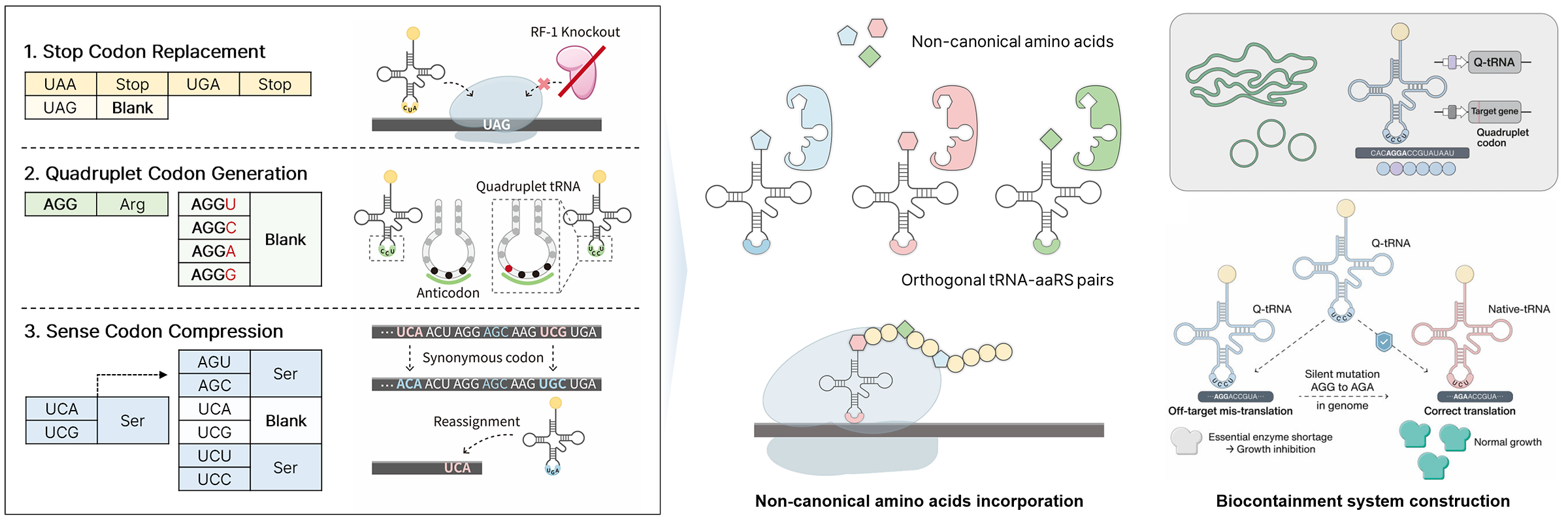
Our lab studies how to rewrite the genetic code to create new modes of gene expression and protein synthesis. We focus on expanding the canonical translation system through quadruplet codon decoding, orthogonal translation systems, and non-canonical amino acid incorporation, enabling biological systems with capabilities beyond natural evolution.
One major direction involves the development of quadruplet codon decoding systems, which allow the use of synthetic four-base codons that are unreadable by the natural translational machinery. By introducing these codons into key genetic elements and engineering compatible decoding components, we build programmable gene expression platforms that are insulated from native cellular processes. This strategy has also been applied to construct a versatile biocontainment system, offering a new layer of genetic isolation.
In parallel, we design orthogonal translation systems, including engineered ribosomes and EF-Tu variants that function independently from the host. These components enable the selective decoding of recoded sequences while minimizing cross-talk with the natural system.
We also explore site-specific incorporation of non-canonical amino acids (ncAAs) using orthogonal tRNA/aaRS pairs. This allows us to expand the chemical diversity of proteins with novel functionalities. Together, these technologies form a cohesive framework for reprogramming gene expression and translation, with applications in synthetic biocontainment, therapeutics, and bio-based manufacturing.

CRISPRi-based Phenotype Screening
Our lab harnesses synthetic biology tools to tackle environmental challenges. We focus on developing novel genetic engineering technologies specifically designed for non-model bacteria, which hold great promise for environmental applications yet remain underexplored. By advancing genome editing, gene overexpression/repression, and functional gene-part discovery, we aim to unlock the full potential of these microorganisms in environmental bioremediation and sustainable biotechnologies.
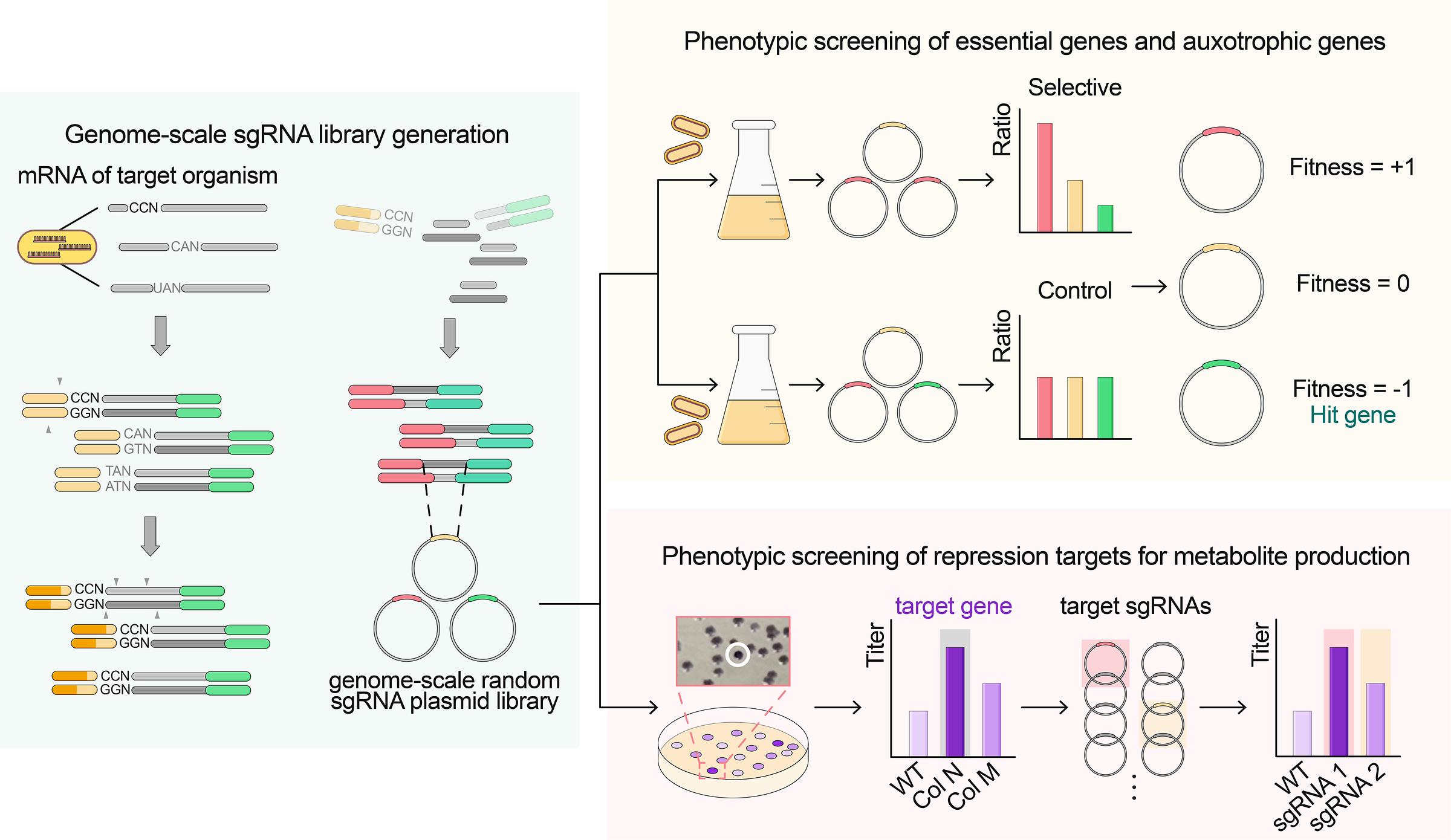
Our lab has developed a method for the generation of single-guide RNA (sgRNA) libraries in a design-free manner, applicable to non-model microbes. Utilizing the mRNA of the target organisms, we employ an enzymatic cascade to generate sgRNA libraries, facilitating diverse CRISPR interference (CRISPRi)-based phenotypic screens. This approach allows us to systematically study gene functions even in organisms lacking detailed genomic annotations.
Our research goes beyond sequence generation—we aim to understand how AI can interpret and reengineer biological systems. Looking ahead, we plan to expand this work to include intelligent genetic circuits operating inside cells, autonomous responsive systems, and custom-designed metabolic pathways.
Ultimately, we aim to implement sophisticated genetic circuits and other synthetic biology tools in diverse non-model bacteria. Through these engineered genetic networks, we pursue to develop synthetic strains capable of efficiently degrading environmental pollutants such as methane and plastics or up-cycling them into value-added products.
Biosensors for Biofoundry Application
Our laboratory focuses on the development of biological molecular sensors that can detect specific biomolecules and translate their presence into measurable signals. These sensors are critical tools in fields such as diagnostics, environmental monitoring, and bioprocess control. Compared to traditional chromatographic techniques, which are time-consuming and low-throughput, biomolecular sensors—especially protein- and RNA-based biosensors—enable faster, simpler, and more scalable detection methods. By integrating synthetic gene circuits, we design highly sensitive and selective sensors capable of functioning robustly across diverse conditions.
We actively explore the integration of cell-free systems to accelerate the development and optimization of biosensors. Cell-free platforms allow rapid prototyping and functional testing of biosensors without the need for living cells, enhancing their applicability in various settings. Recent examples include fluoride-detecting biosensors deployed in field settings and fluorescence-based biosensors for small molecule detection. Our work extends to coupling these sensors with reporter circuits to broaden their detection capabilities, while also evaluating performance under multiple environmental parameters to identify optimal designs for real-world deployment.
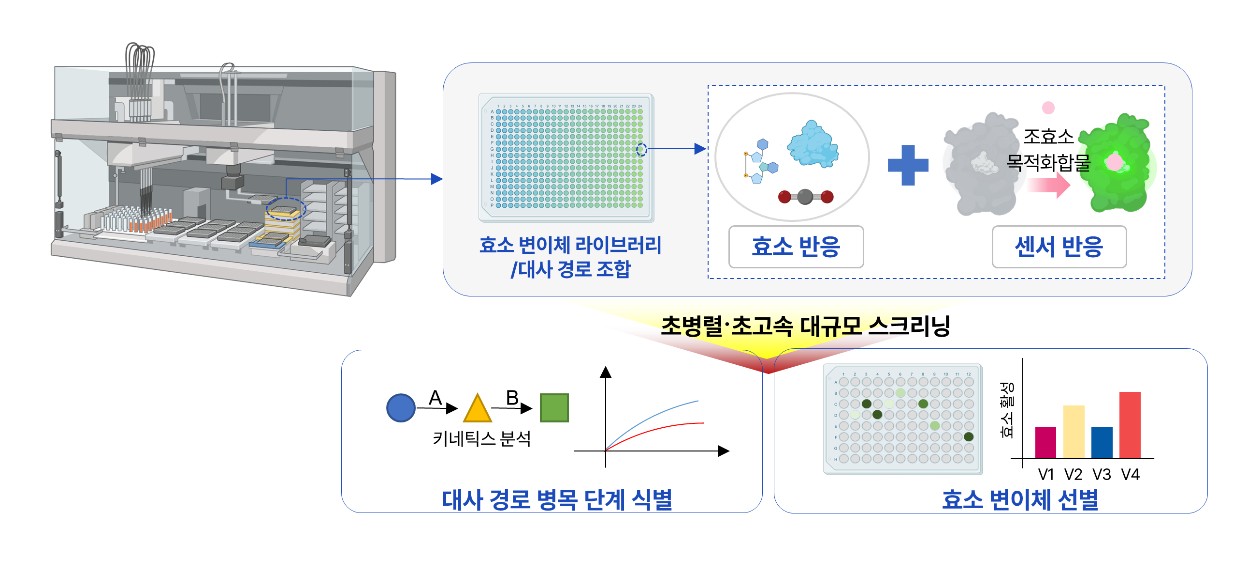
To expand the impact and utility of biosensors, we incorporate high-throughput screening (HTS) and artificial intelligence (AI)-driven analysis into our research. HTS enables parallel testing of biosensor variants and rapid identification of optimal components, while AI tools allow us to extract meaningful patterns from complex datasets, guiding the design of next-generation sensors. Through these multidisciplinary efforts, our lab aims to create scalable, field-deployable biosensors that contribute to healthcare, sustainable agriculture, industrial biotechnology, and environmental stewardship.
CFPS and Genetic Parts Prototyping
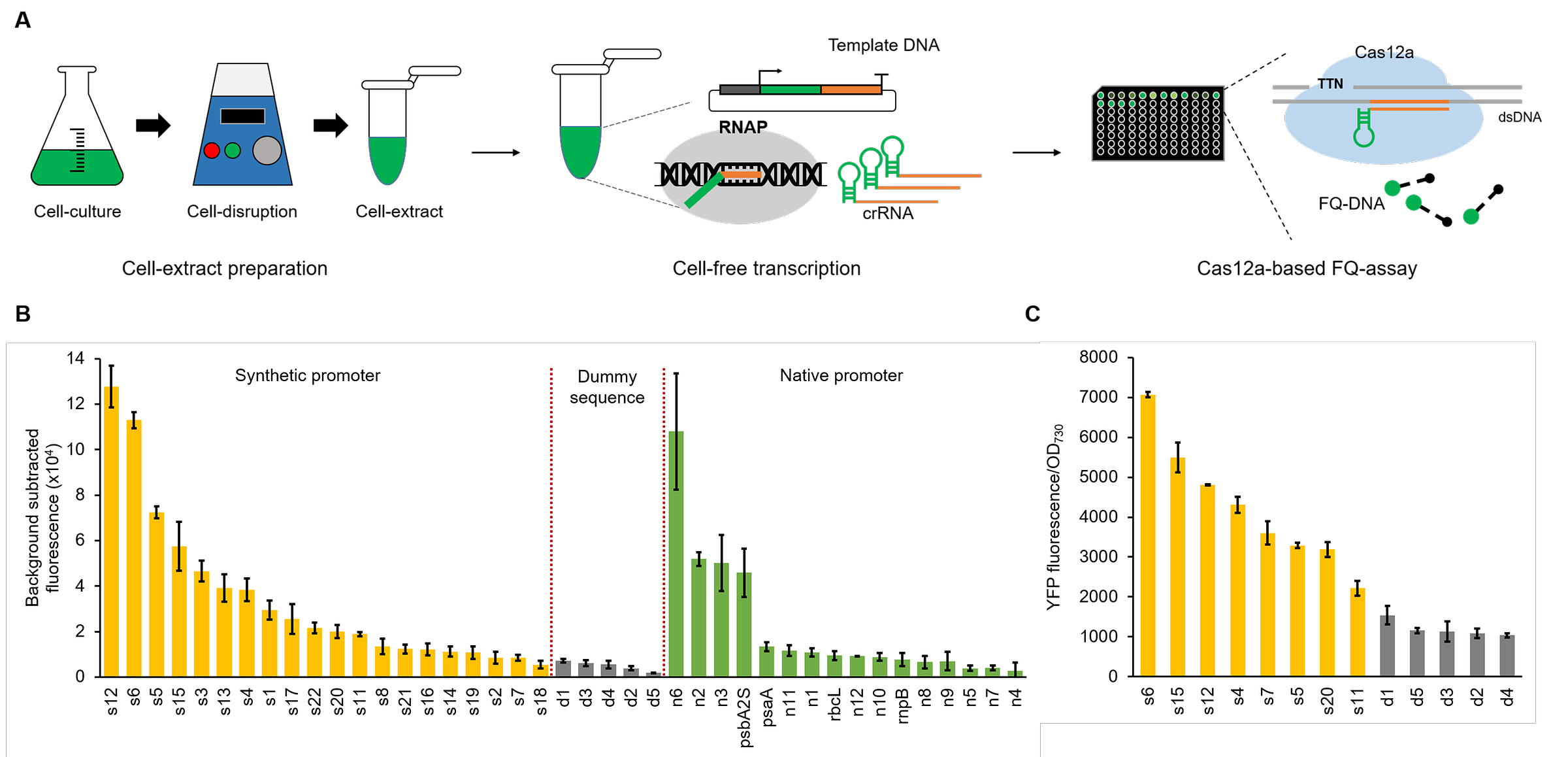
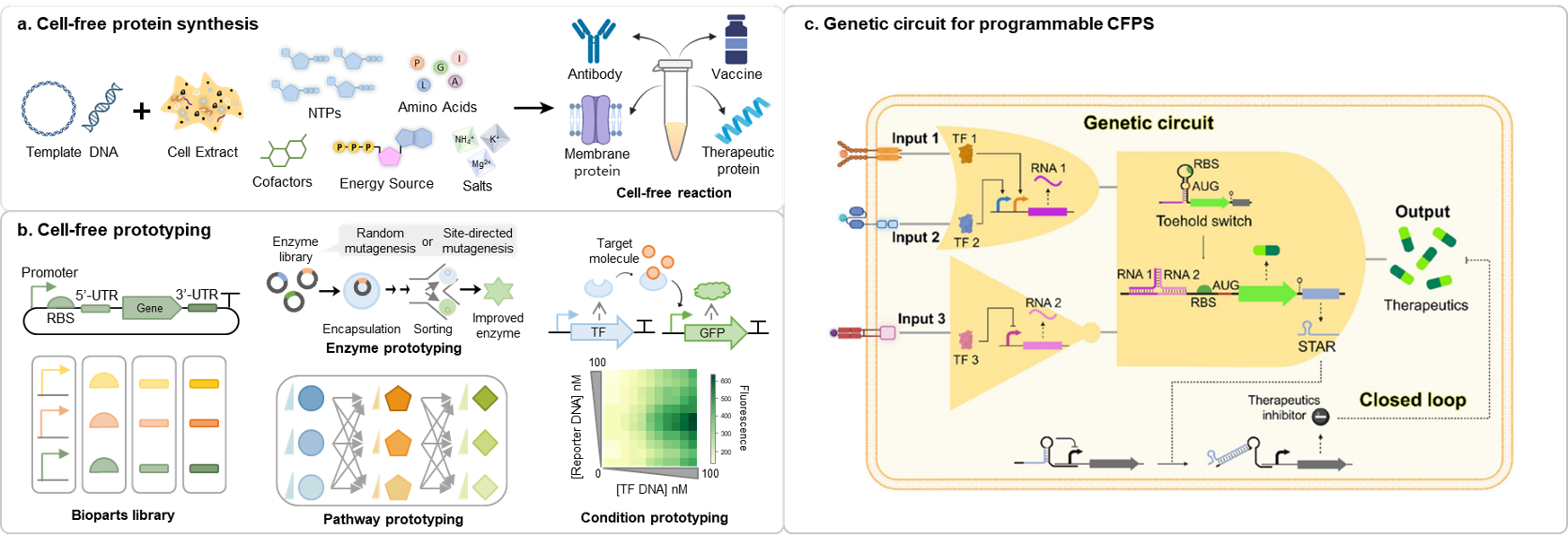
Cell-Free Protein Synthesis (CFPS) systems are powerful platforms for producing proteins in vitro without using living cells. CFPS enables protein synthesis through essential cellular components such as ribosomes, amino acids, and associated machinery. Its open and modular environment allows for precise control of biochemical conditions and seamless integration with high-throughput technologies. Also, CFPS accelerates the design–build–test (DBT) cycle by enabling rapid protein production.
One of our core research is the rapid validation of genetic parts. CFPS allows us to efficiently test combinations of promoters, ribosome binding sites (RBSs), and enzymes to assess their performance and function. This accelerates the design and optimization of genetic constructs compared to traditional in vivo methods. We are also advancing prototyping methods for enzyme variants and metabolic pathways, paving the way for efficient biosynthesis of high‑value chemicals.
Another growing focus is the integration of synthetic gene circuits into CFPS systems. By utilizing programmable components such as TFs, RBSs, and feedback loop, we aim to achieve precise, multi-input control of gene expression—capabilities that are particularly valuable for applications like drug delivery, where tight regulation and rapid responsiveness are crucial.
Through these studies, we aim to expand the potential of CFPS systems by enabling programmable, precise, and high-throughput molecular engineering for next-generation synthetic biology applications.
One-step Nucleic Acid Detection
The emergence of infectious diseases caused by pathogens poses an increasing threat to humanity. Accurate and rapid identification of diseases is essential for timely and effective treatment. Our laboratory explores molecular diagnostic technologies utilizing synthetic biology techniques.
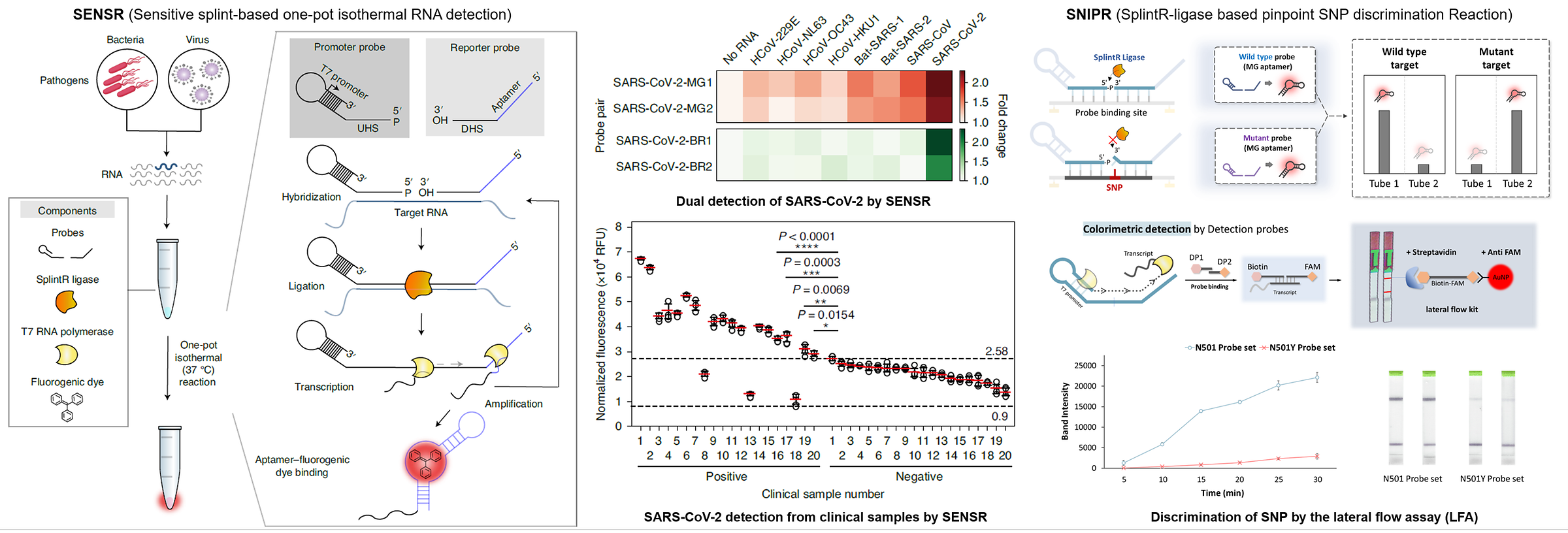
Our representative technology is SENSR (Sensitive Splint-Based One-Pot Isothermal RNA Detection). SENSR employs probes that contain a promoter sequence and an aptamer-coding sequence as a reporter. When the probes accurately bind to the target, subsequent ligation and transcription reactions are initiated. Given that the transcript encompasses both the reporter sequence and the target sequence, an isothermal reaction cascade is induced to achieve highly sensitive and rapid detection of the target nucleic acids. The simplicity of probe design can accelerate the development and deployment of the assay in the field.
Recently, SENSR was advanced to SNIPR (SplintR-Ligase Based Pinpoint SNP Discrimination Reaction), which can rapidly distinguish SNP-level mutations. Notably, SNIPR has mismatch endurance, enabling identification of SNPs in complex mutational backgrounds. We are applying these research in practical ways, such as for virus and pathogen detection and discrimination of drug-resistant genes.